How to Use Hyaluronic Acid Correctly – Mistakes Many People Make

Dec.
Hyaluronic Acid in Your Skincare Routine: How to Really Lock in Moisture
Hyaluronic acid acts like a moisture magnet: It binds water to the skin’s surface and in the upper layers—but only if the conditions are right. This is exactly where the most common mistakes happen. Many people apply a hyaluronic acid product to completely dry skin and are surprised that their skin feels rather tight afterward. The reason: Without some moisture “to hold onto,” hyaluronic acid can hardly work effectively. It’s better to leave the skin slightly damp after cleansing or to use a toner. Then apply a thin layer of hyaluronic acid—not as a thick mask. A smaller amount of product spreads more evenly and is better “sealed in” afterward.
The second common mistake is applying it in the wrong order: Hyaluronic acid should be used before rich creams and oils in your skincare routine because it’s water-based. Apply the lightweight texture first, then the nourishing layer on top. This helps lock moisture into the skin instead of letting it evaporate too quickly. Skin type also plays a role: For very oily skin, a light finishing layer is often sufficient, while dry skin may require more—the key is how it feels after a few minutes: comfortable, supple, and not sticky. So, if you want to use hyaluronic acid correctly, always think in two steps: hydrate, then seal.
Another point is timing: Wait a moment after applying the serum until it has settled, but don’t let it dry out completely. Then apply the cream directly on top. In dry, heated air or around air conditioning, it’s worth using a slightly richer final step to prevent the skin barrier from “evaporating.” Hyaluronic acid works well both in the morning and at night, but for very sensitive skin, the routine should remain deliberately simple: cleansing, hyaluronic acid, cream—that’s often all it takes. This way, your skincare routine remains reliable and consistent over weeks.
About Katjana Sür
Katjana combines her salon experience with clear routines for at home. Her recommendation: it’s better to be consistent and gentle rather than constantly switching up your routine—that way, your skincare routine regains structure and balance.

Katjana Sür – Personalized Advice Based on Over 20 Years of Experience
I’m Katjana Sür, founder of KS Beauty, and for over 20 years I’ve been helping people with a wide variety of skin needs—from very dry skin to sensitive combination skin that quickly becomes unbalanced. In my practice, I’ve seen time and again that the best results don’t come from constantly switching products, but from clear routines and consistent use. Hyaluronic acid is a perfect example of this. Many people use it “sometime” in their routine or apply it like a cream—and that’s exactly why its full potential often goes untapped.
The Most Common Mistakes—and How to Avoid Them Right Away
The most common pitfalls aren’t caused by the product itself, but by how it’s used. If you want to use hyaluronic acid correctly, you should think of your routine as a small system: first prepare, then build up, then finish. This keeps the texture pleasant and prevents your skin from feeling “over-treated.” These points will help you quickly spot common mistakes:
- Too much product: A pea-sized amount is usually enough.
- Skin is too dry: Always apply hyaluronic acid to slightly damp skin.
- Wrong order: Apply serum first, then cream; always apply oils last.
- Waiting too long: Do not let the serum dry completely; seal it immediately afterward.
- Friction instead of pressure: Gently tap or press, do not rub.
- The wrong conclusion: Dry skin needs more protection, while oily skin needs less.
If you keep these six rules in mind, you’ll often notice after just a few applications that your skin feels calmer and your finish looks more even. It’s also worth paying attention to your surroundings: In winter or in heavily air-conditioned rooms, skin loses moisture more quickly. Here, the final step is crucial. And if your makeup “crumbles,” it’s usually due to too many layers or friction during application. The solution: use less product, let it absorb more quickly, and choose a cream that works well with your serum. This will help your routine stay consistent throughout the day.
Understanding Hydration: Why Hyaluronic Acid Alone May Not Be “Enough”
Hydration isn’t a one-time effect, but rather a balance between water and barrier care. Hyaluronic acid can bind water, but it doesn’t replace lipids. That’s why some skin types feel smooth for a short time after using a pure hyaluronic acid serum, but later feel dry. The missing “seal” is the reason. For normal skin, a light cream is often sufficient as a final step; for dry skin, a richer texture may be needed. Combination skin often benefits from a two-zone approach: a lighter finish in the T-zone and more intensive care on the cheeks. Even sensitive skin doesn’t necessarily need less hyaluronic acid, but rather fewer irritants in its skincare routine. A simplified routine with just a few, well-tolerated steps is often the key here.
When it comes to active ingredients, hyaluronic acid combines well with others because its primary function is to provide moisture. If your routine includes retinol or exfoliants, hyaluronic acid can act as a “buffer,” making the skin feel more comfortable after applying the active ingredient. The order is crucial: first the active ingredient, then hyaluronic acid, then moisturizer. This is the correct way to use hyaluronic acid without overwhelming the skin. In the morning, always follow the moisturizer with sunscreen, because moisturizer alone is no substitute for sun protection. In the evening, the routine can be simpler to allow the skin to regenerate overnight. This ensures consistent results and helps maintain a stable skin texture over the long term.
This way, you can tailor your skincare routine to your skin type—without overcomplicating it
A simple rule of thumb prevents most problems: Hyaluronic acid helps bind moisture, while the cream acts as a “seal.” This synergy is especially crucial for dry or mature skin. If your skin feels sticky after applying the serum, it’s usually because you’ve used too much product or because the layer underneath is too heavy. If it feels tight, it’s often because the final step is missing. These quick checks will help you tailor your routine to your skin type:
- Dry skin: Apply hyaluronic acid to damp skin, followed by a richer cream; optionally, use a little more in the evening.
- Oily skin: A thin layer of serum, a light finish, and no heavy oils for everyday use.
- Combination skin: Apply a light layer to the forehead, nose, and chin; use more cream on the cheeks.
- Sensitive skin: Just a few steps, gentle application, and no unnecessary combinations of fragrances or active ingredients.
- When applying makeup: Apply fewer layers, wait a moment, then press rather than rub.
This way, using hyaluronic acid correctly becomes a routine that adapts to your skin rather than fighting against it—and your skin looks more even without having to constantly switch products. One detail that’s often overlooked: be sure to apply hyaluronic acid to your neck and décolletage as well, since these areas tend to look dry quickly. If you have very hard tap water, you can balance your skin with a toner after cleansing, before applying the serum. And: always apply products calmly; rushing through the layering process can lead to an uneven finish.
Katjana's 4 Product Recommendations from the Store
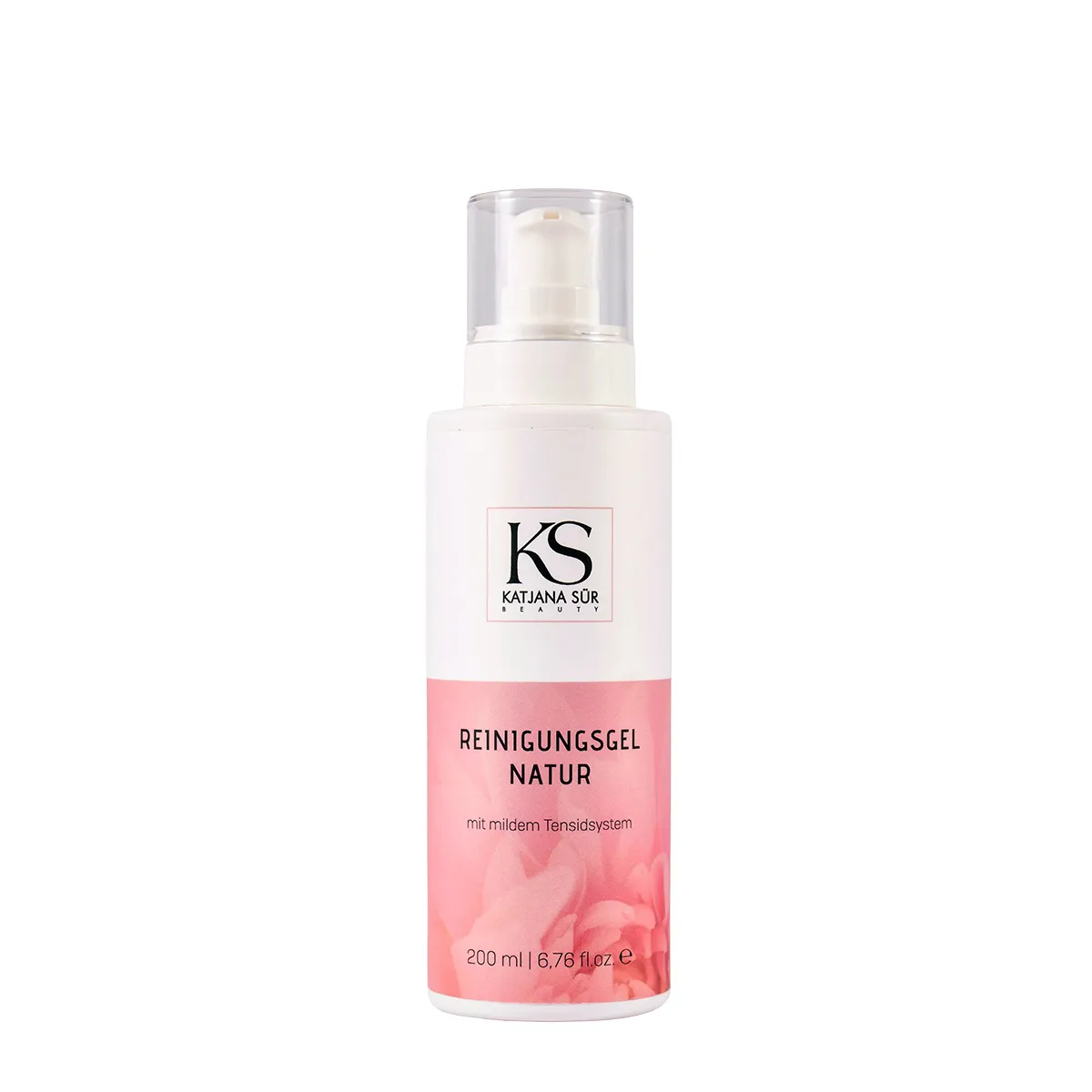
Natural Cleansing Gel is the ideal first step because it gently removes impurities from the skin without leaving it feeling tight or “squeaky clean.” This foundation is essential to ensure that hyaluronic acid can be evenly absorbed afterward.
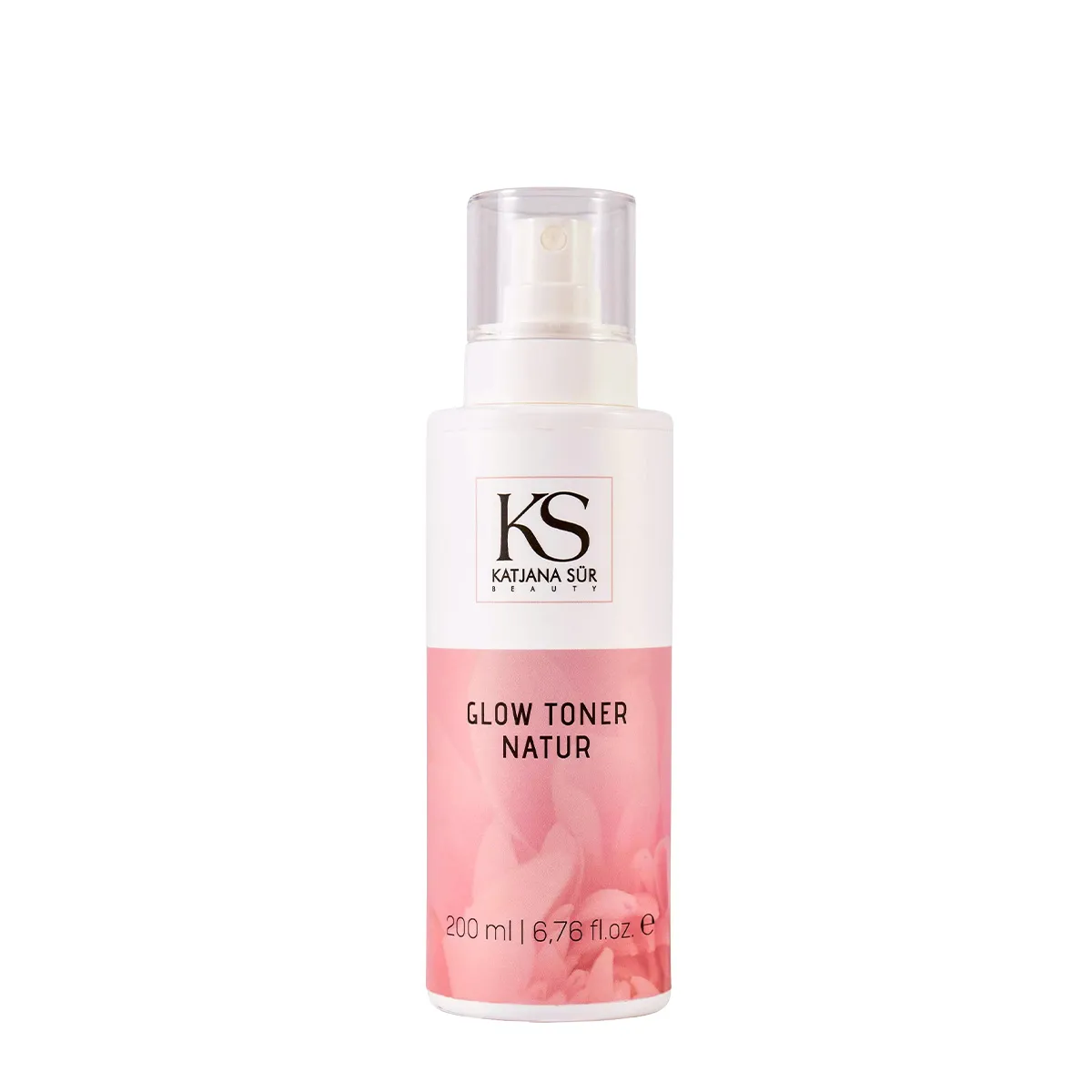
Bio Glow Natural Toner This moisturizing step perfectly prepares the skin. Hyaluronic acid spreads more easily on slightly damp skin—and the finish looks smoother and less sticky.
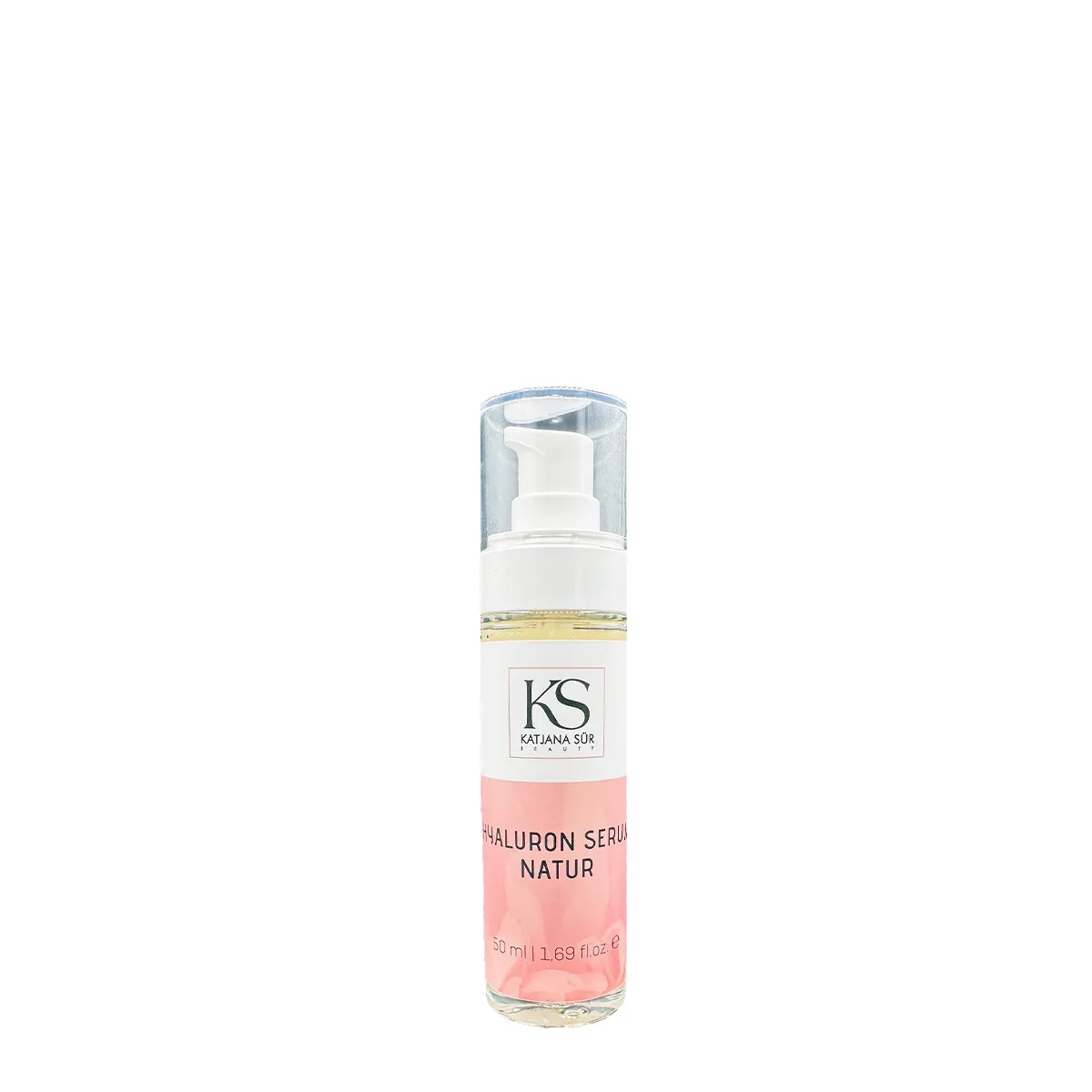
Natural Hyaluronic Acid Serum is the key ingredient for targeted hydration. It should be used in your skincare routine after toner and before moisturizer so that its formula can work to its full potential: locking in moisture and leaving your skin feeling smoother.
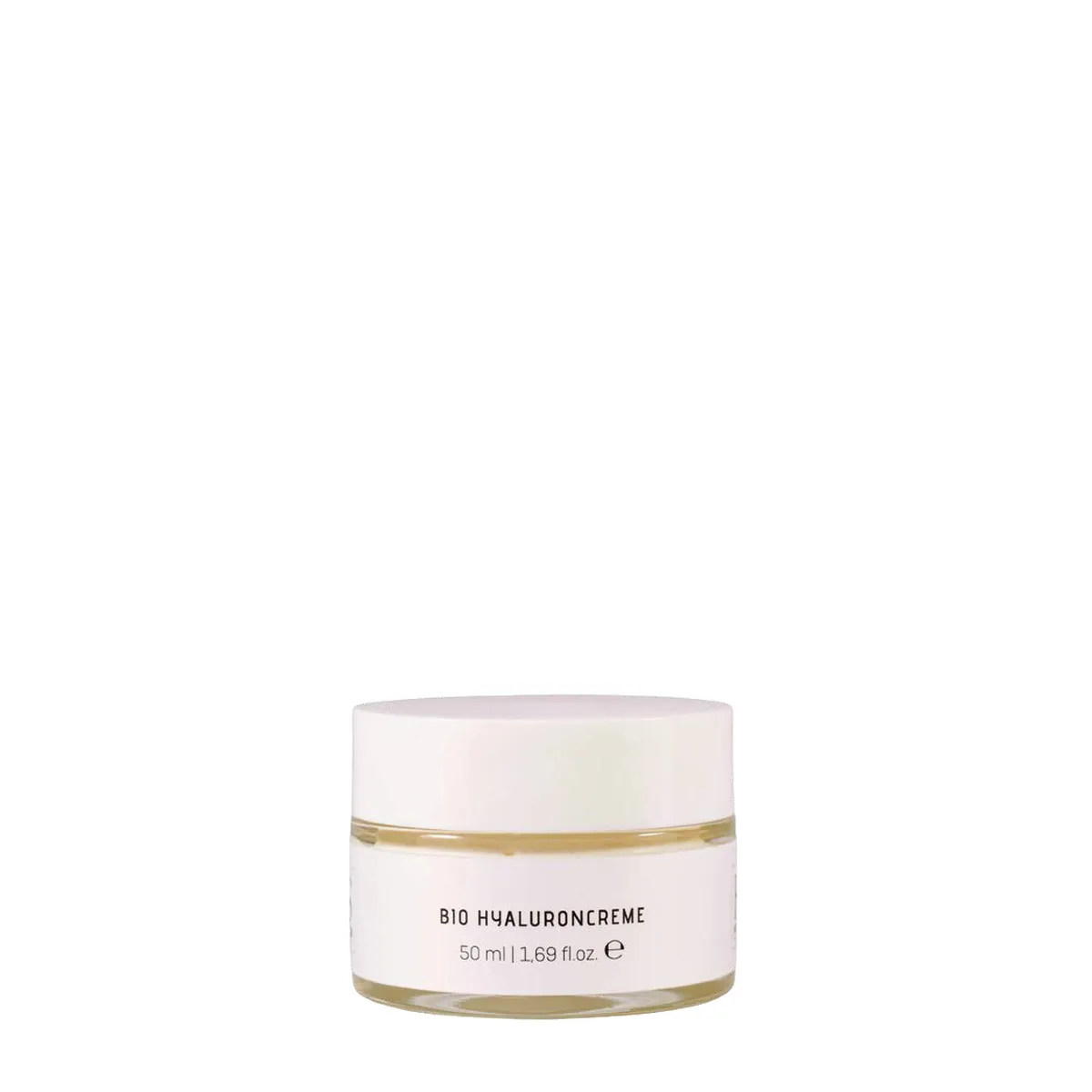
Organic Hyaluronic Acid Cream is the perfect finishing touch because it reliably “locks in” the moisture that has been built up. This keeps the skin looking supple for longer, and the effect lasts not just for a brief moment, but remains stable for hours.
Toners & Exfoliants
165,00 € – 168,00 € / 1 l
including VAT
plus shipping costs
Serums & Specialized Skincare
1.200,00 € – 1.600,00 € / 1 l
including VAT
plus shipping costs
Creams & Moisturizers
720,00 € – 1.200,00 € / 1 l
including VAT
plus shipping costs
The entire KS Beauty line—perfect for your own routine
The KS Beauty line features coordinated products for cleansing, toners, serums, and creams that can be combined to create clear routines. This makes skincare less complicated and more structured—and allows you to expand your routine in a way that makes sense for your skin type.
Discover Products Now